

Iced Matcha Latte with Lavender Cold Foam




Part 1: Iced Matcha Latte Recipe
Featured Products

Part 2: Lavender Cold Foam Creamer Recipe

By clicking the submit button you subscribe to our newsletter and acknowledge you have read and understood the Mountain Rose Herbs Privacy Notice and consent to the processing of your personal data for marketing purposes.
THE LATEST FROM OUR BLOG
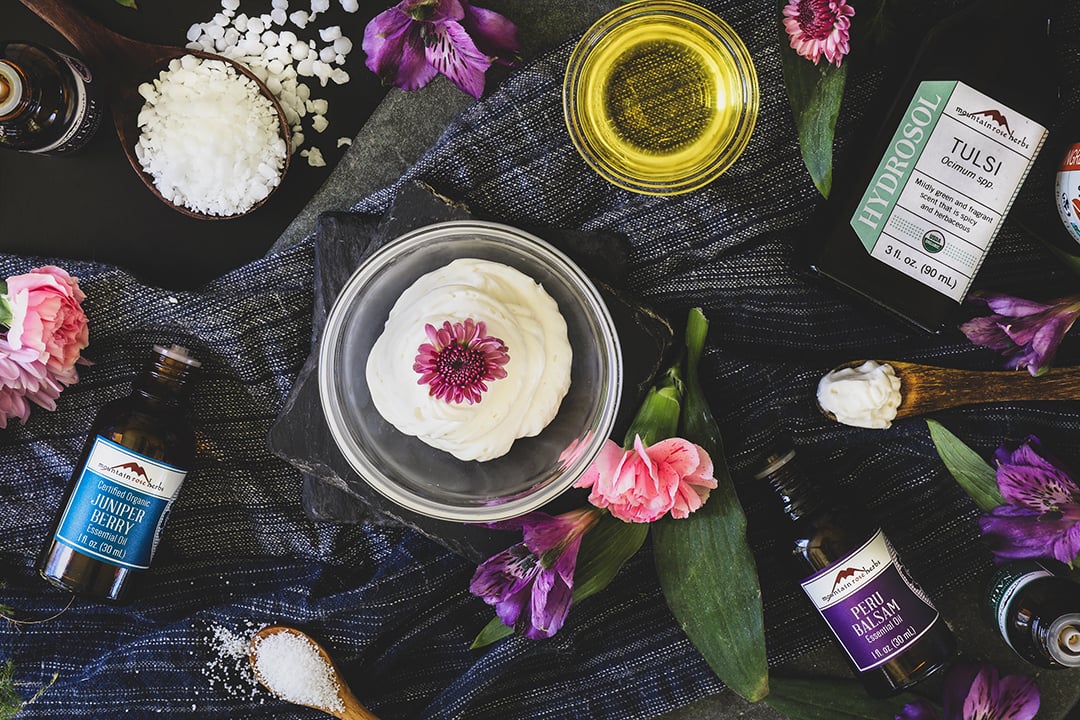
Earth Goddess Lotion + How to Convert a Recipe by Measuring in Parts
I love the shoulder seasons—spring and fall, planting and harvest—because they connect me deeply to the earth. This year, I wanted to celebrate that connection with an aroma change-up to my usual body lotion recipe. I tend to be a keep-it-simple sort of woman when using essential oils in skin- and haircare recipes. For my purposes, I usually reach for lavender and call it good. So, to create the earthy, fertile aroma I wanted this season, I turned to an essential oil blend formulated by someone with more expertise in blending aromas: Mountain Rose Herbs' marketing lead, Jessicka. I combined my tried-and-true lotion recipe with her Earth Goddess perfume essential oil blend. The result is luscious and season-perfect!
Earth Day Oregon: Celebrating And Protecting Our Environment
This year for Earth Day, Mountain Rose Herbs is joining Earth Day Oregon, a coalition of local nonprofit organizations and businesses dedicated to celebrating Earth Day, protecting the environment, and making a positive impact in our communities. Throughout the month of April, Earth Day Oregon serves as a central hub, gathering and showcasing a diverse array of events hosted by nonprofits and businesses across the state. From tree plantings and river cleanups to educational workshops and sustainability fairs, we are thrilled to be part of the Earth Day movement, bringing together so many incredible community members!
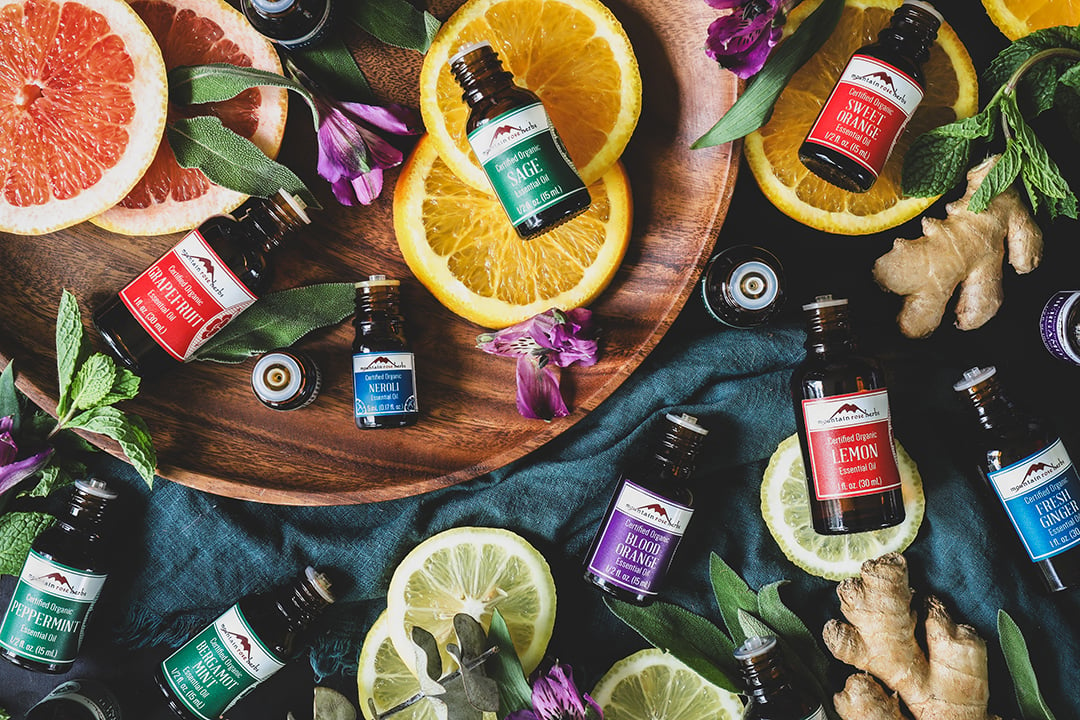
Understanding Aroma Notes For Essential Oil Blending: Top Notes
First impressions play an important role in shaping our perception of the world around us. Although lasting a mere few moments, our initial encounters with a new person, place, or thing, can leave a lasting impact that sets the tone for how we make decisions in our day-to-day interactions. First impressions are particularly persuasive when our sense of smell is involved, as our emotions and memories are tied closely to our olfactory system.
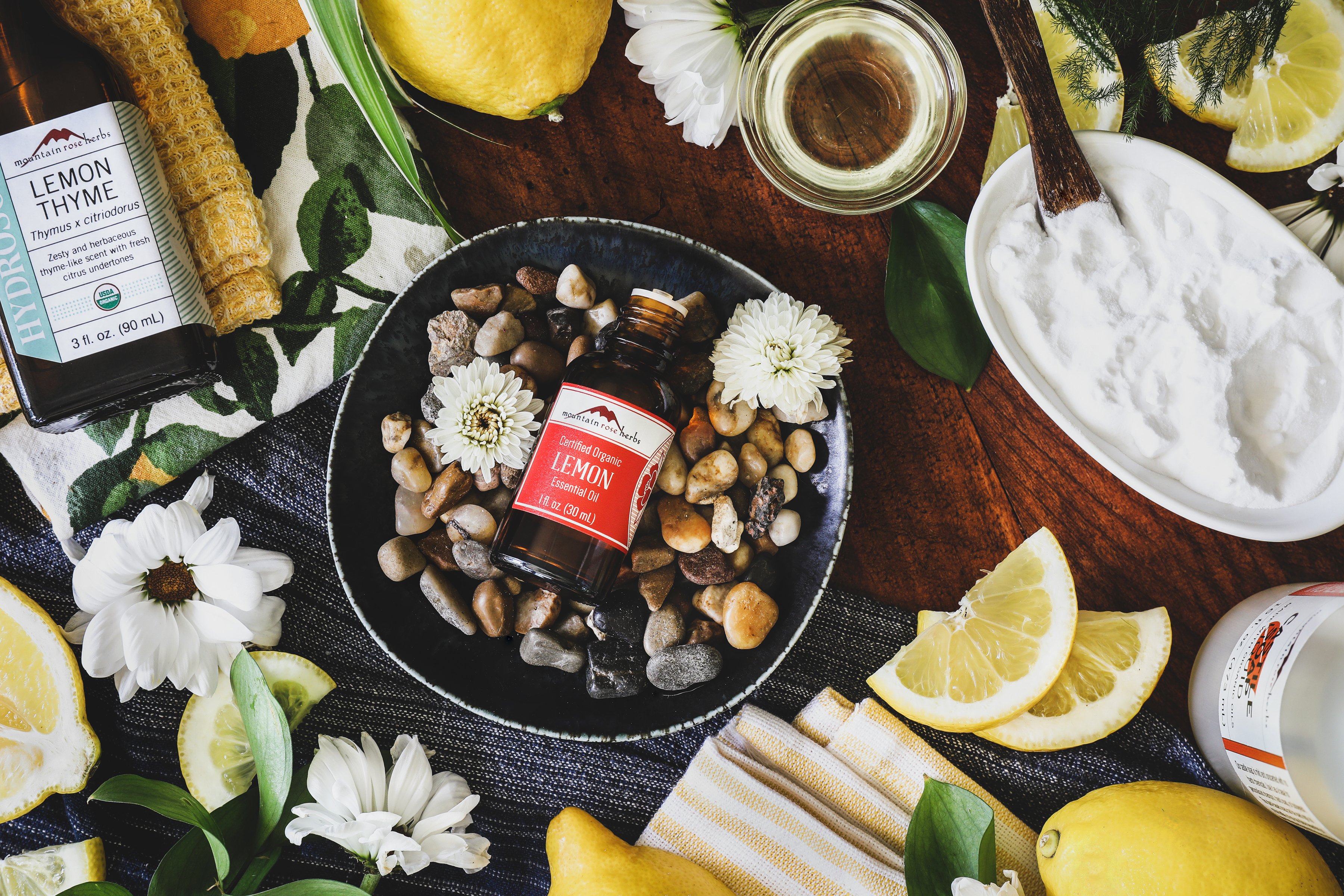
Lemon Essential Oil: 5 Ways To Clean Your Home Naturally
We love lemon essential oil for its wellness benefits, its bright and sugary citrus aroma, and its uplifting and energizing constituents. It's a wonderful oil in skin and hair care formulas and for diffusing in homes and offices. We also love that this cost-effective oil makes an excellent cleaning agent and leaves our homes smelling deliciously like freshly cut lemons. It's the 76% (=)-Lionene in lemon oil that makes it so good at polishing furniture and cutting grease and sticky residues. We're revisiting five of our favorite lemon oil-based cleaning recipes that are easy to make, safe to use, and leave our homes smelling citrus good.
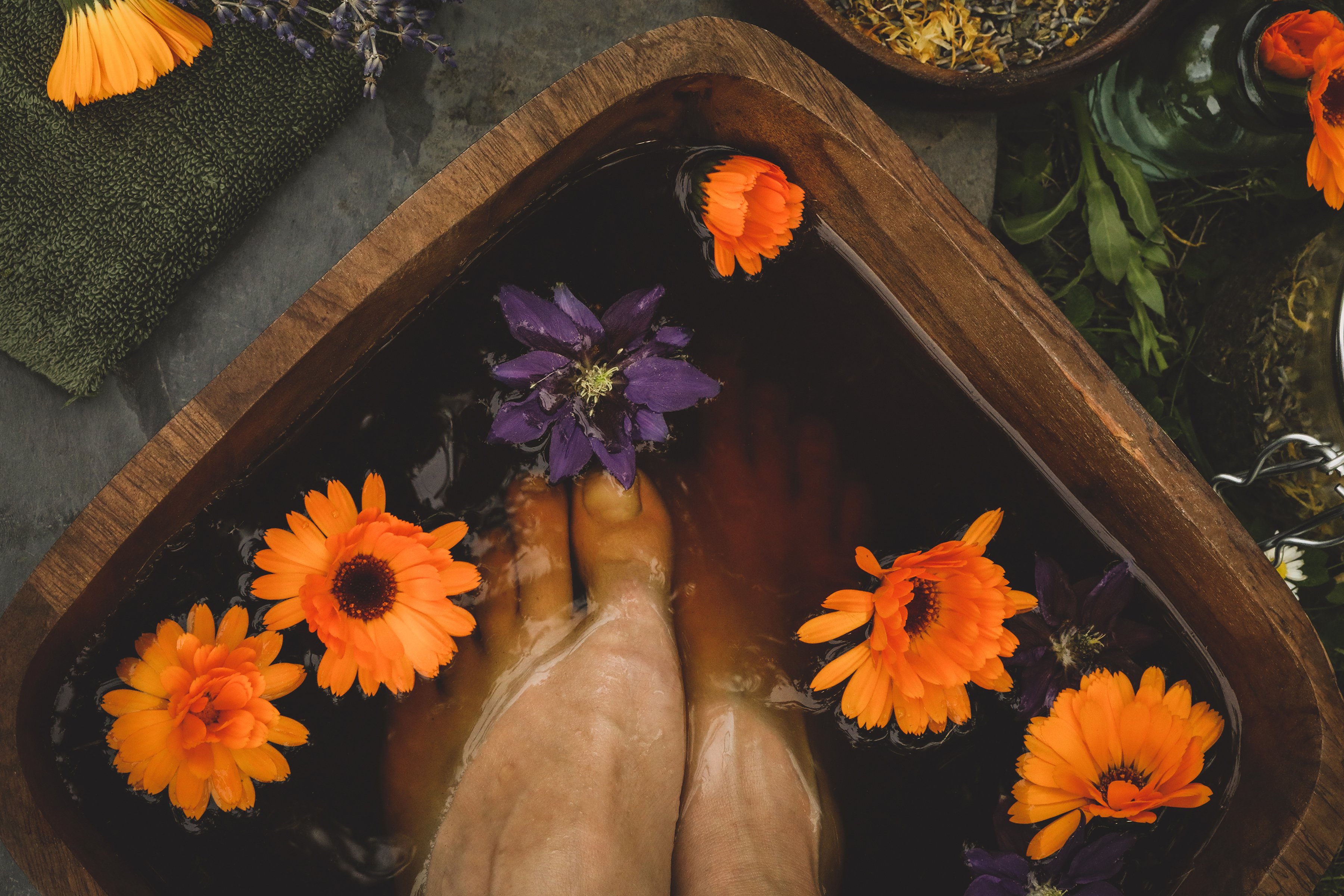
5 Foot Care Recipes For Sandal-Ready Feet
I am a four-season sandal wearer. I love allowing my feet to breathe and the feeling of being unconfined. During rain, shine, and sometimes light snow, my feet are ready to be bare at a moment's notice. If an impromptu forest bathing opportunity or grounding session calls my name, I don't have to worry about laces, ties, or the other constricting elements of standard shoes. My feet are free!
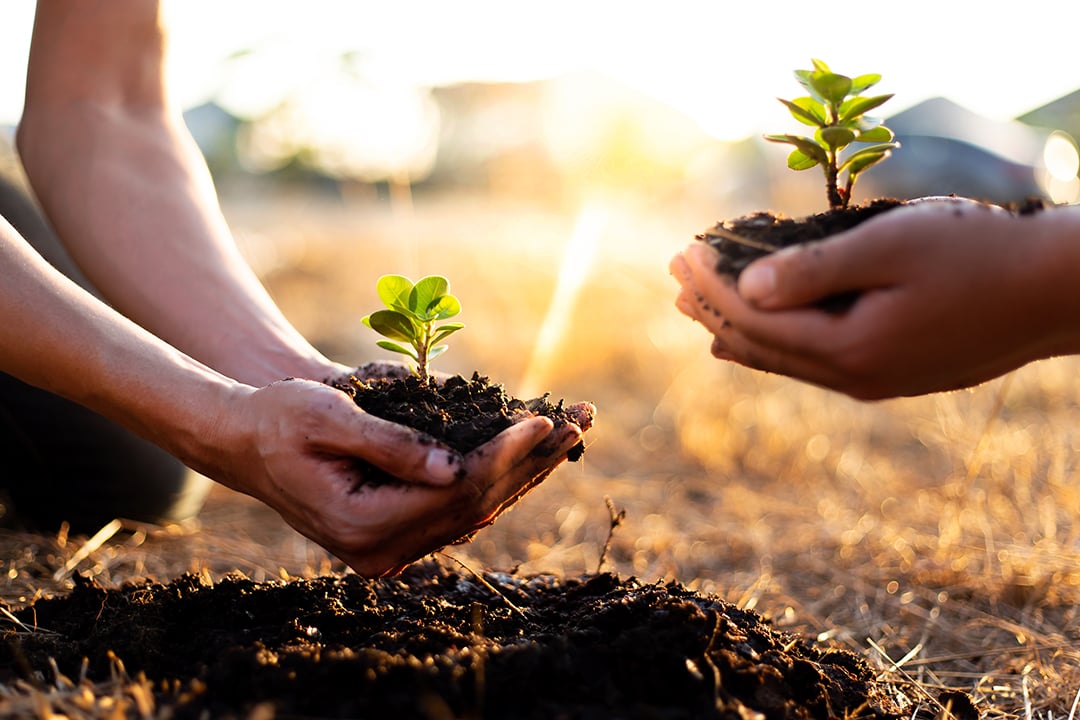
Indigenous Leadership For Sustainability
Last week, I attended the Bioneers Conference in Berkeley, California, an annual gathering that brings together innovators and thought leaders to explore solutions for social and environmental challenges. The conference featured a diverse range of speakers, workshops, and presentations on topics such as sustainability, social justice, climate change, regenerative agriculture, and Indigenous knowledge.
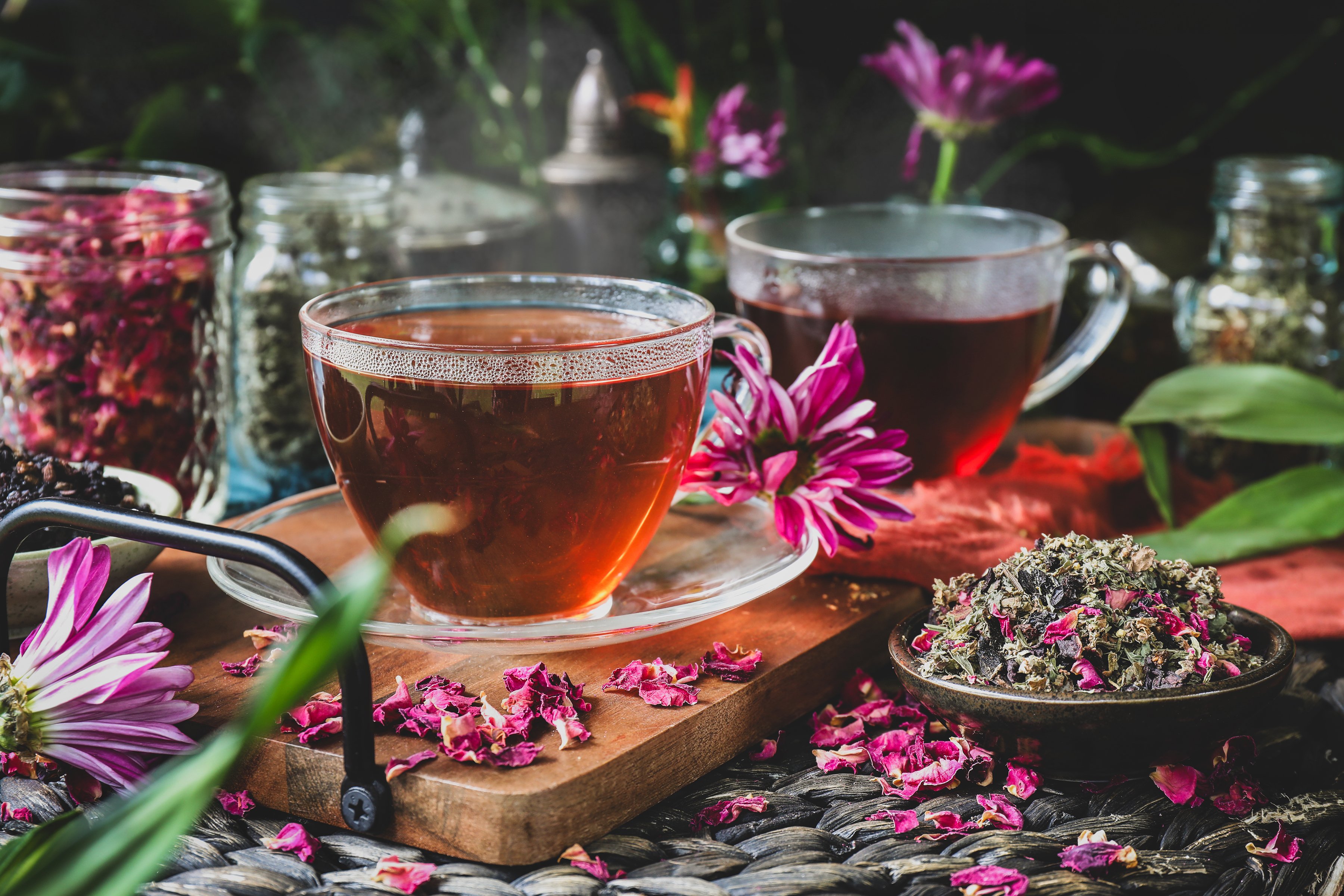
Stargazing Tea Recipe
Spring has come on fully here in the Willamette Valley! Flowers are opening, leaves are unfurling, local wildlife is abuzz with activity, and I for one am looking forward to longer and sunnier days. Warm nights will bring ample stargazing opportunities throughout the summer, and the impending solar eclipse on April 8th will mean that many of us will be extra-aware of the closest and most important star of all, our beloved sun. With that in mind, I looked at the season ahead and felt inspired to revisit this stargazing tea blend.
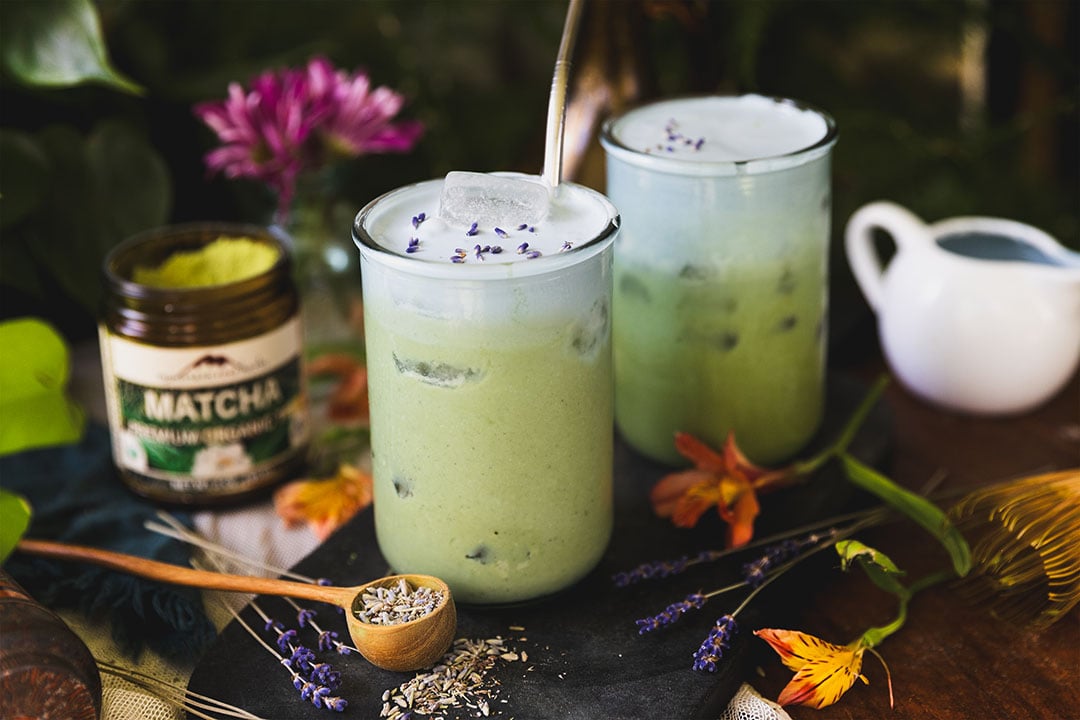
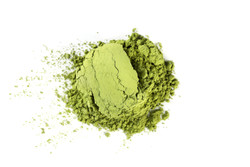
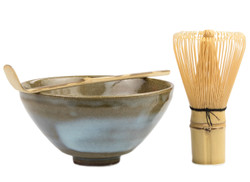
Iced Matcha Latte With Lavender Cold Foam
I am a sucker for a colorful drink, and I will sheepishly admit that this bevvy was inspired by a popular coffee chain sign featuring their newest summer drink, the “Iced Lavender Cream Oatmilk Matcha.” The colors and the anticipated flavors of lavender, matcha, and creamy oat milk made it irresistible. So I pulled out the gift card I had gotten months back and splurged! The verdict—it was good, but I could make it better with top-shelf organic ingredients!
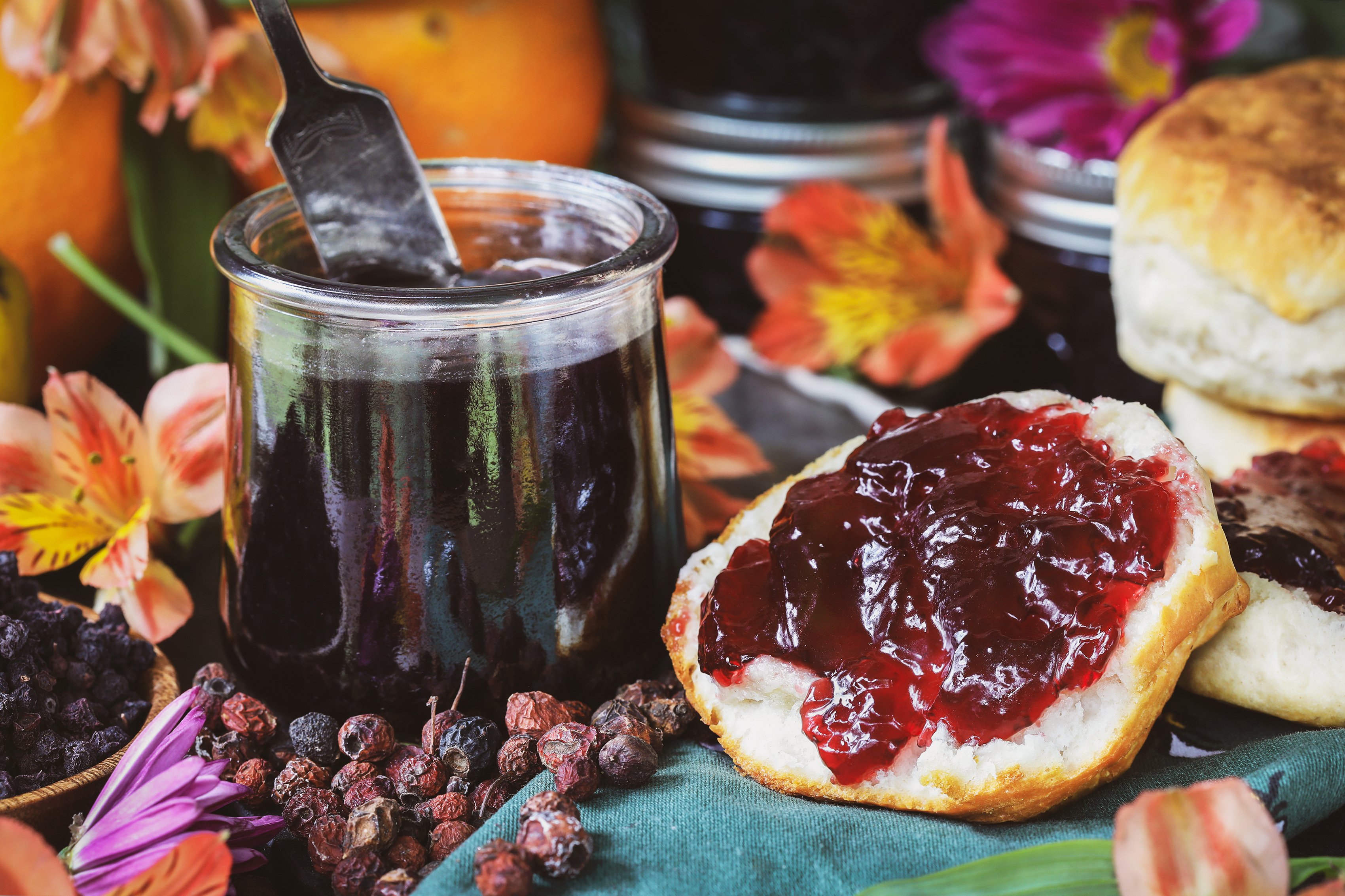
Superfood Jelly: Hawthorn & Bilberry Jelly Recipe + Canning Directions
Right around Spring Equinox, I start to take inventory of what is in my apothecary, what needs to be used in the next few months, and what needs to be replaced now. This timing is serendipitous because as winter comes to a close and summer's nutritious fresh berries are still months away, I start to crave the bright flavor and nutritious zing of freshly made superfood jelly. Hence, the end of March is my annual dried berries jelly-making time. This year, I was excited to find that my dried hawthorn berries and bilberries are on the 2024 refill list. These two superfood berries, particularly in combination, are perfect for early spring jelly-making and result in one of my all-time favorite jellies. One batch carries my family happily into summer.
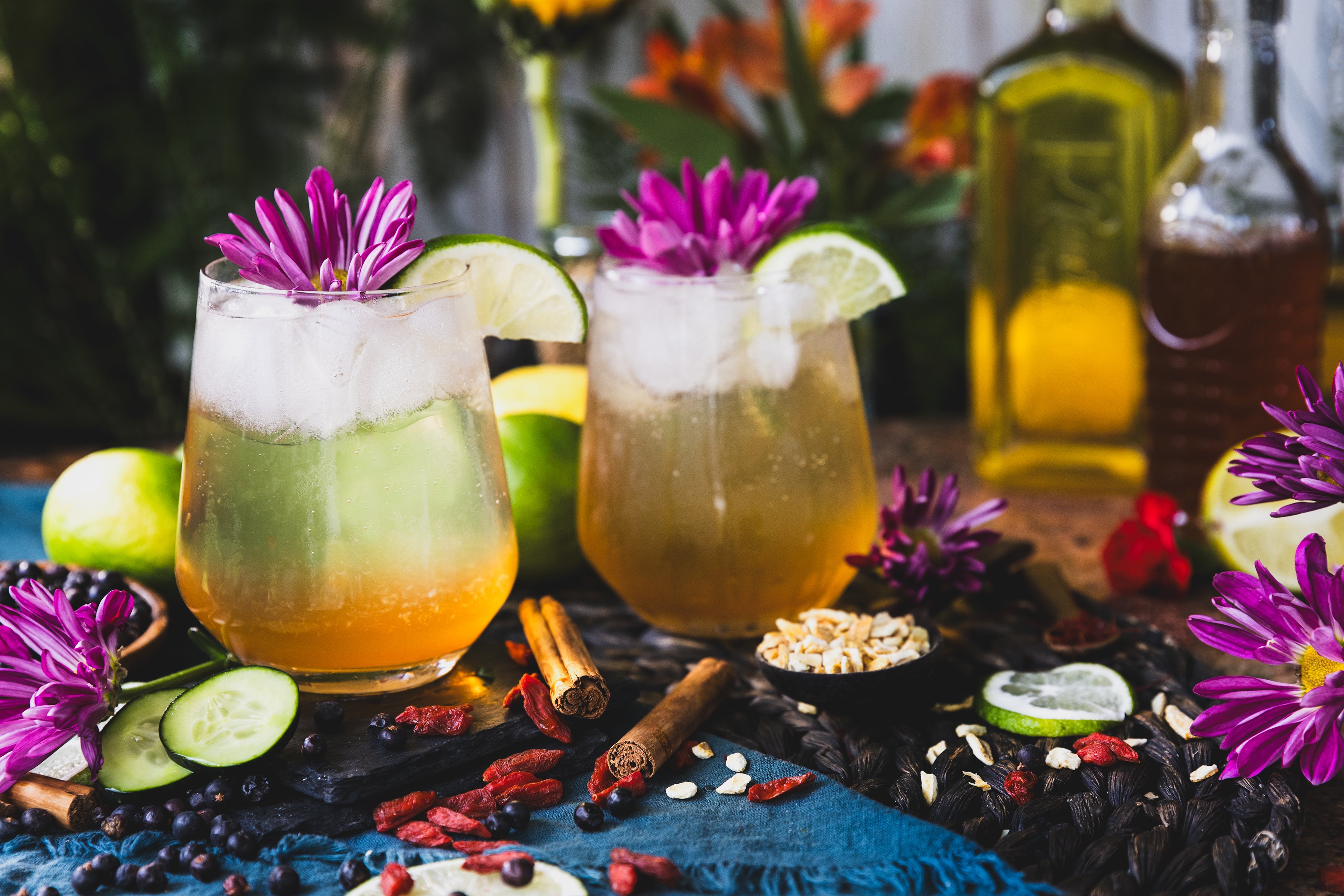
Make Your Own Gin With Dried Herbs + Elderflower Gin Cocktail Recipe
We live in a time when being a foodie is a celebration. As the more middle-class cousins to gourmets and gastronomes, we foodies have the same discriminating palates and passion for flavor, experimentation, and a mix of food cultures to help us build our skills and develop our cooking hobbies. We're also very good at cooking on a budget. In the world of mixologists—a particular breed of foodie—making gin is the perfect representation of this. It's crazy-easy, doesn't take long, and you end up with excellent alcohol without breaking the bank.
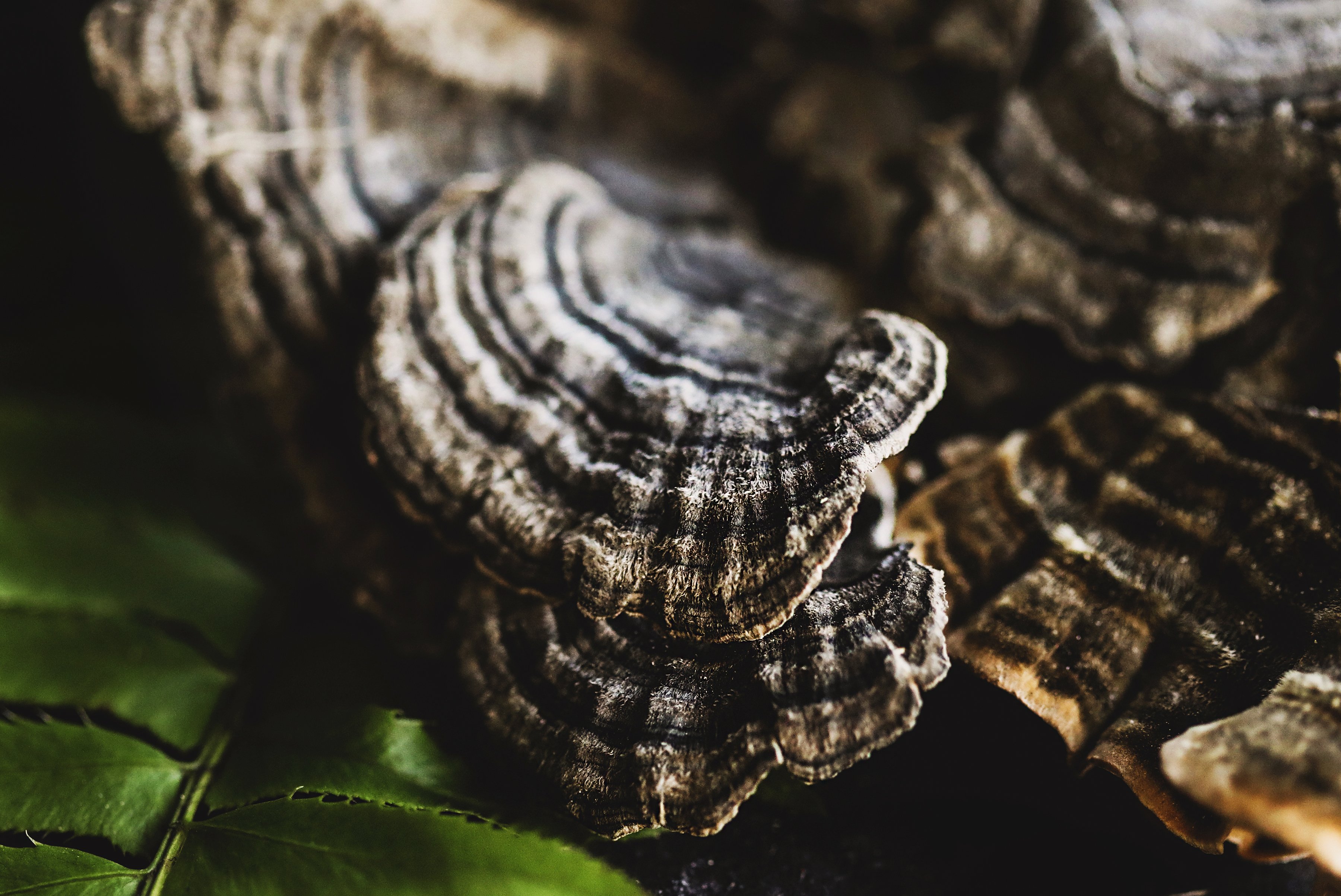
Uniting For Climate Day: One Step Closer To Sustainability
As the Sustainability Specialist for Mountain Rose Herbs, I am proud to work for an independently-owned company committed to doing better, every day. Liberated from the pressure to cater to financial shareholders, we can join forces with like-minded companies and organizations and work collaboratively on sustainable solutions. An organization leading this initiative is One Step Closer (OSC), a coalition of visionary CEOs committed to advancing sustainable practices in food, agriculture, and the environment. Our own CEO, Cameron Stearns, had the honor of being accepted into the OSC ranks, joining the Packaging Collaborative as well as the J.E.D.I. Collaborative (Justice Equity Diversity and Inclusion).
Our 160-page magazine-style journal features articles from esteemed guest authors about herbalism, organics, sustainability, and projects that inspire us. Best of all, it's FREE.