 Your Rewards |

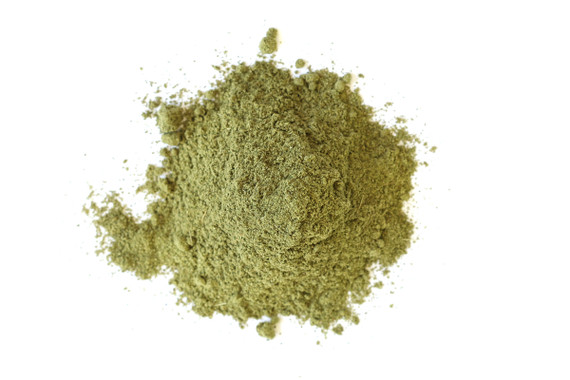
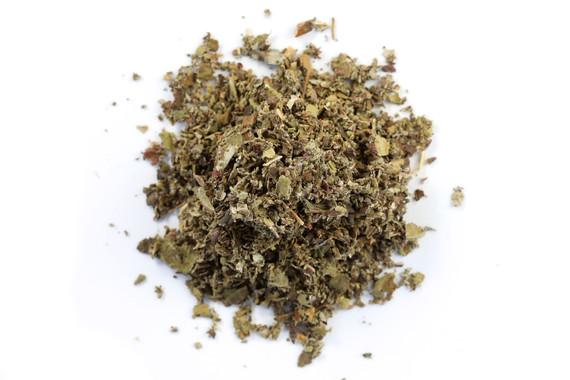
Plantago lanceolata is an herbaceous perennial and member of the Plantaginaceae family. Native to temperate Eurasia, plantain has since spread across to the Americas and Australia. The young, spring leaves are consumed as an edible food and can be eaten in salads and added to soups. Our organic plantain leaf is wonderful infused in teas and herbal blends.
Plantain loves disturbance. It is a common weed of cultivated pastures, cracks in sidewalks, back yard gardens, and any place that experiences regular activity. Plantain has been used for centuries as an edible food and for its beneficial properties. According to western folklore, the leaf was chewed and placed on the skin for its ability to draw a splinter, or similar nuisance, out.
In traditional western herbalism, plantain leaves have been infused with a multitude of herbs. Plantain can be valuable externally and is often found in skin care products. The young, spring leaves can be eaten as food in salads.
In general, two species of plantain are well-known and preferred: Plantago lanceolata and Plantago major, the narrowleaf plantain (also known as ribwort) or the broadleaf plantain (also referred to as greater plantain) respectively. Narrowleaf plantain has 3-5 prominent ribs that stripe its long, narrow, lanceolate leaves. Broadleaf plantain has 5-9 prominent veins that stripe their wide, oval-shaped leaves. Ribwort and greater plantain are native to temperate Eurasia and are widespread across the British Isles. They have since spread across the Americas and to Australia. Both varieties can be used interchangeably.
Plantain leaf is commonly steeped as tea and combined with other botanicals in herbal infusions. Can also be used as an ingredient in topical skin care recipes.
Want to learn how to make a refreshing herbal infusion with plantain?
Precautions
No known precautions. We recommend that you consult with a qualified healthcare practitioner before using herbal products, particularly if you are pregnant, nursing, or on any medications.
This information has not been evaluated by the Food and Drug Administration. This product is not intended to diagnose, treat, cure, or prevent any disease. For educational purposes only.